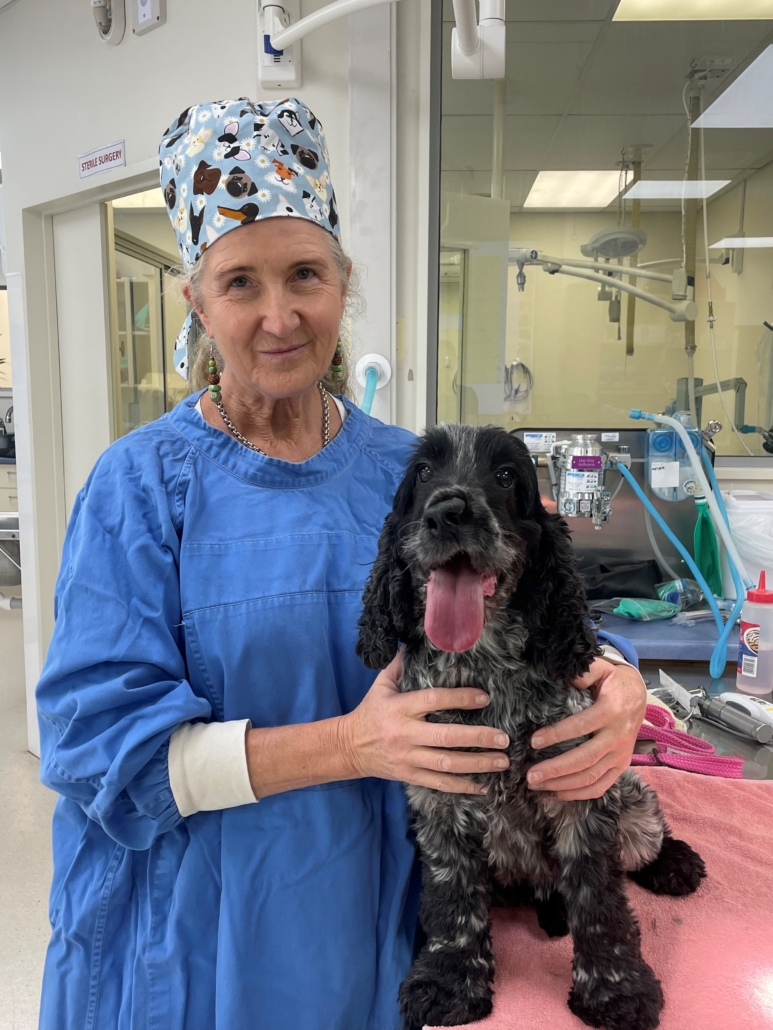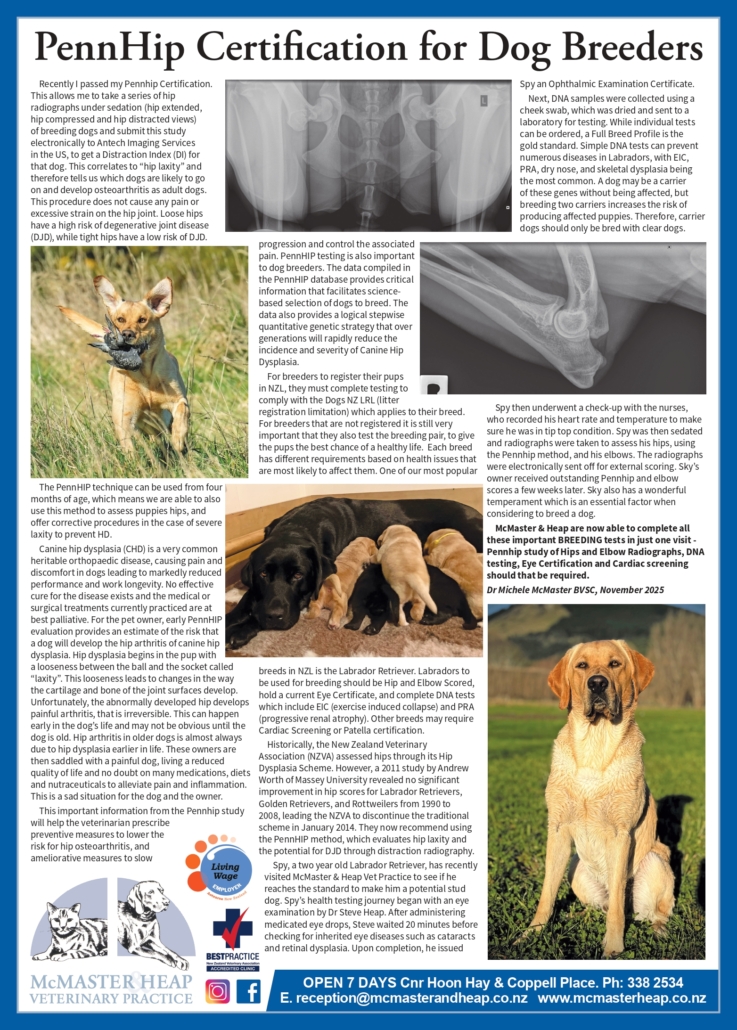
Dr Michele McMaster completed her PennHIP registration in 2025 and she is able to submit hip radiographs to Antech Imaging in the US to be PennHIP scored.
PennHIP is required by some breed standards to enable “safe, measured breeding “ practices.
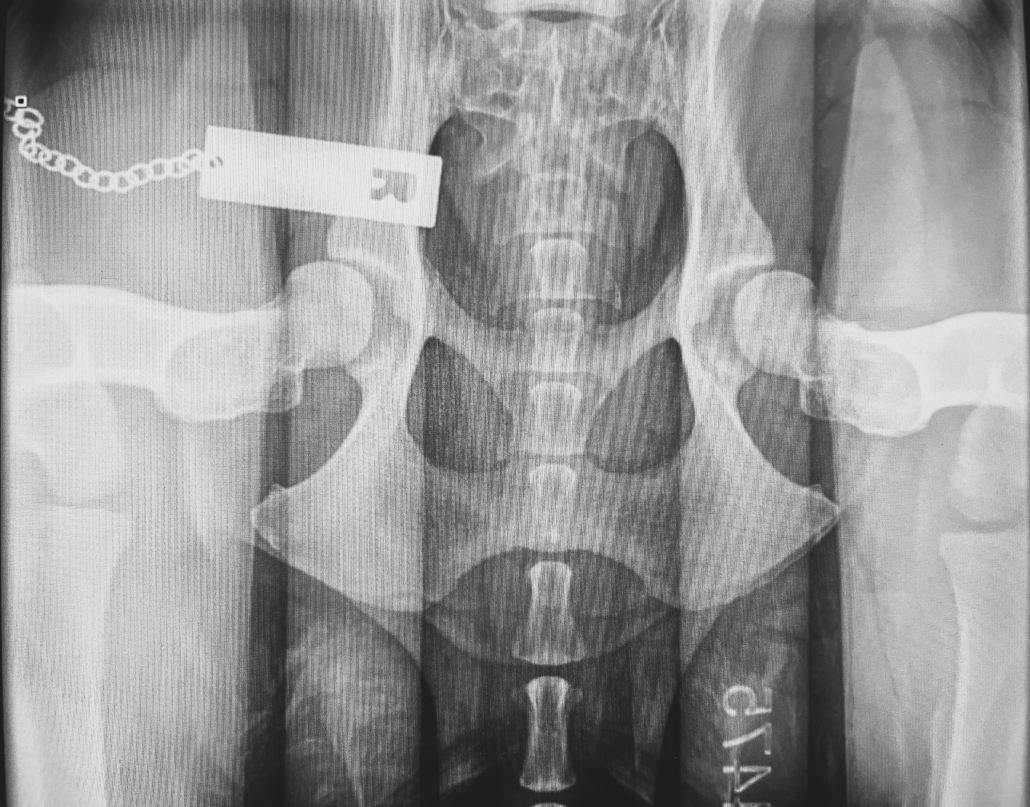
PennHIP objectively assesses a dogs risk of developing Hip Dysplasia, by measuring “passive hip laxity” as early as 16 weeks of age. Unlike traditional extended – hip radiographs, PennHIP uses a distraction index to quantify joint looseness. This is the strongest predictor of future osteoarthritis associated with hip dysplasia. This screening test allows breeders to make informed selection decisions to reduce the prevalence of hip dysplasia in breeding lines of dog. It also allows veterinarians to have conversations with owners about weight management, special joint diets and exercise modifications, so that owners are aware early on how they can help manage this painful, debilitating disease.
By identifying “ at risk dogs” before degenerative changes occur, PennHIP supports both long term joint health and responsible breeding practices.
PennHIP has many benefits including:
- Accurate screening for breeding dogs
- Large/giant breed puppies that are at risk of developing HD
- Any lame puppy that we see before 16 weeks of age
- Any puppy whose parent has known HD
In the juvenile or severe form of Hip Dysplasia dogs typically present between 5-12 months old. They present with sudden uni or bilateral hindleg lameness, seen as bunny hopping, difficulty rising after rest, reluctance to walk, run, jump or climb stairs and pain. These acute clinical signs are thought to be due to joint laxity.
Histologically there is tearing and stretching of the joint capsule ligaments (synnovitis), and muscles, along with microfracture of the dorsal acetabular rim from overloading, causing pain. As these dogs age these changes are seen as periarticular fibrosis. This phase of the disease is seen with a reduction in clinical signs as it is thought the fibrosis stabilises the joint.
The Hip Extended view, on its own, has poor predictive accuracy for diagnosis of Hip Dysplasia, unless there is radiographic evidence seen (femoral periarticular osteophyte formation, subchondral sclerosis of the craniodorsal acetabulum, osteophytes and joint remodelling). This view actually forces the femoral heads into the acetabulum, therefore masking joint laxity.
The benefit of understanding this early on for young dogs is huge as there is a surgical procedure “Juvenile Pubic Symphysiodesis” (JPS) that aims to improve hip joint conformation before clinical problems develop. This procedure is best performed at 14-16 weeks of age (sometimes up to 20 weeks of age but results are not as good). If performed too late the pelvic growth plates are already closing and the corrective effect is minimal.
JPS works by intentionally destroying the Pubic Symphysis Growth Plate. This STOPS growth at that site, while the rest of the pelvis continues to grow normally. As the pelvis grows, the acetabula rotate to give better coverage of the femoral heads, therefore reducing laxity and the risk of developing degenerative joint disease.
How to book in for a PennHIP study
- Firstly ring our reception and book this procedure with Dr Michele McMaster who works Mondays, Wednesdays and Fridays.
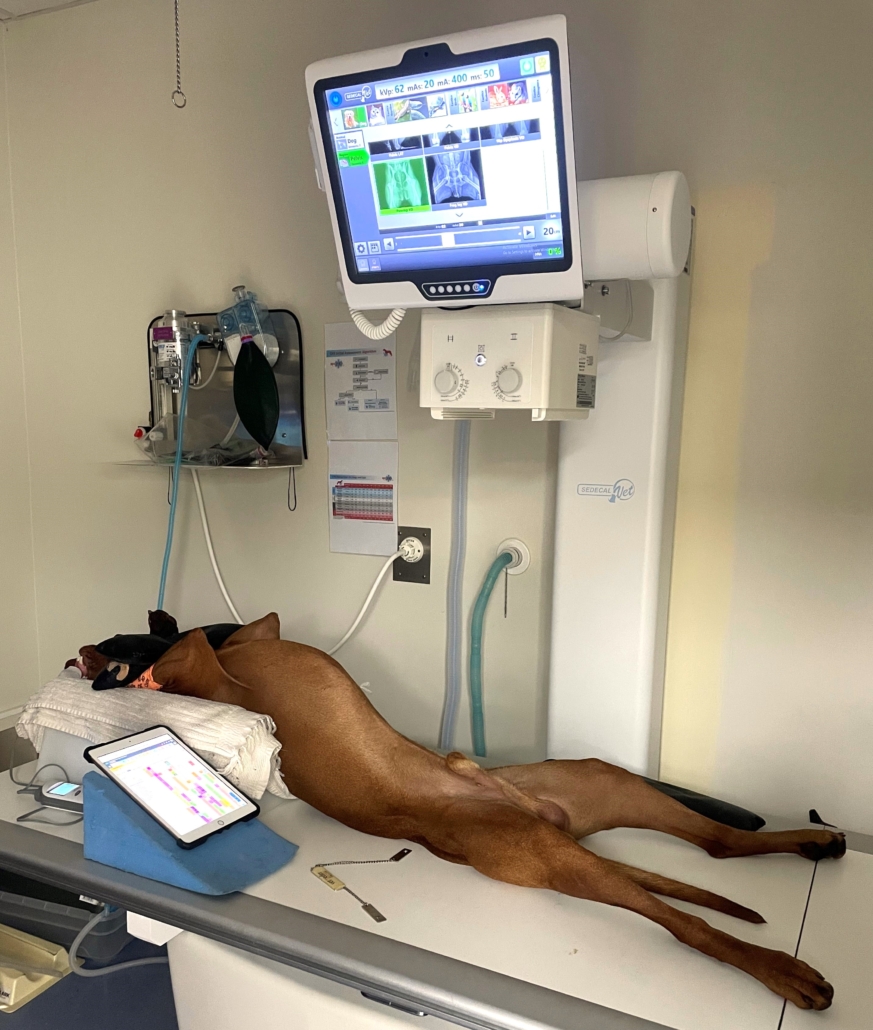
- Your dog will be sedated so no food on the morning of the radiographs. Full relaxation needs to be present for the X-ray study.
- Three (3) radiographs will be taken – a hip extended view, a compressed and distracted view.
- McMaster and Heap Veterinary Practice will send these X-rays off to be scored by Antech in the US.
- Once the results are in we will email you a copy for your dogs health records.
- Other small procedures can be completed while your dog is under this sedation like ear cleaning, nail trimming, blood sampling etc.
For more information on whether PennHIP screening would be a good option for your dog, please call McMaster and Heap Veterinary Practice and speak to either Michele or Sonya.